EUR €
Cart
0
Foods for Stamina and Natural Energy: What to Eat and Why
When people talk about stamina, they usually mean something simple: having steady energy from morning to evening, without the mid-afternoon crash. That kind of stamina isn't built by one product or one meal. It comes from what you eat, how well you sleep, how much you move and how you handle stress, all working together.

This guide focuses on the food side: which everyday foods help keep your energy even, why they work, and what a stamina-friendly day of eating can look like. Then we cover the habits that matter just as much as anything on your plate.
What food can and can't do for stamina
Food gives your body its fuel. Carbohydrates are its main quick source of energy, protein and fats help keep you full and steady, and vitamins and minerals such as iron, magnesium and B vitamins help your body turn food into usable energy.
What food can't do is replace sleep, make up for constant stress or work like a switch. No single food "boosts" stamina on its own. The difference comes from patterns: eating regular meals, choosing slow-release carbohydrates over sugary spikes, getting enough protein, and not running on empty.
It also helps to know what tends to work against steady energy. Sugary drinks and sweets give a fast lift that often ends in a slump an hour later. Very large, heavy meals can leave you sluggish while your body digests them. Skipping meals altogether, especially breakfast, makes it more likely you'll run low by mid-morning and overeat later. And alcohol, even in moderate amounts, can disturb sleep, which shows up as low energy the next day.
So think of the foods below as building blocks rather than quick fixes.
Foods for stamina
Oats and whole grains
Oats, brown rice, whole-wheat roti, millet and quinoa are complex carbohydrates. Their fibre slows down digestion, so energy is released gradually instead of all at once. A bowl of oats in the morning tends to keep you going far longer than a pastry or sugary cereal.
Easy swap: choose whole-grain bread or roti over refined white versions, and add oats to breakfast a few times a week.
Bananas and dates
Bananas and dates are natural sources of carbohydrate that are easy to carry and quick to eat. Bananas also provide potassium, and dates are rich in natural sugars and fibre. They make a practical snack before a walk, a workout or a long afternoon.
Easy swap: keep a banana or a few dates on hand instead of reaching for a biscuit.
Honey
Honey is a natural carbohydrate made mostly of glucose and fructose. It has been part of everyday diets for thousands of years, stirred into warm water, drizzled on oats or eaten with nuts. A spoonful can be a pleasant, simple source of energy, but it is still a sugar, so it works best in sensible amounts alongside protein and fibre.
Easy swap: use a little honey in place of refined sugar in tea, yoghurt or porridge.
Nuts and seeds: hazelnuts, almonds and pumpkin seeds
Nuts and seeds combine protein, healthy fats and fibre, which makes them slow and satisfying to digest. Pumpkin seeds provide magnesium and zinc, almonds bring vitamin E and magnesium, and hazelnuts add healthy fats and fibre. A small handful is enough; they are energy-dense.
Easy swap: sprinkle seeds on breakfast or salads, or pair a handful of nuts with a piece of fruit as an afternoon snack.
Eggs, lentils and dal
Protein helps you feel full for longer and supports the muscles you use every day. Eggs are an easy, complete protein. Lentils, chickpeas and dal combine protein with slow-release carbohydrates and fibre, which makes them one of the most practical foods for steady energy, especially in vegetarian diets.
Easy swap: add an egg to breakfast, or build lunch around a bowl of dal or a lentil salad.
Leafy greens
Spinach, methi (fenugreek leaves), kale and other leafy greens provide iron and folate. Low iron is a common reason people feel tired, so iron-containing foods are worth including regularly. Pairing them with a source of vitamin C, such as lemon juice or tomatoes, helps the body absorb plant iron.
Easy swap: stir a handful of spinach into dal, curries, omelettes or soups.
Traditional plant ingredients: maca and ginseng
Some ingredients have a long history of traditional use for energy and vitality. Maca, a root grown high in the Peruvian Andes, and ginseng are two of the best known. Research on both is ongoing, and the evidence is still limited, so it's best to see them as part of a wider routine rather than a shortcut. We look at the studies in detail in Maca Root: Benefits, Side Effects & What Research Says.
A simple stamina-friendly day of eating
You don't need a special diet. Regular meals built from the foods above will do most of the work. Here is one example day:
- Breakfast: oats cooked with milk, topped with banana, a spoon of honey and a few pumpkin seeds. Or two eggs with whole-grain toast and spinach.
- Mid-morning: a handful of almonds or hazelnuts with a piece of fruit.
- Lunch: dal with brown rice or whole-wheat roti, a vegetable sabzi and a side salad with lemon.
- Afternoon snack: two or three dates, or yoghurt with seeds.
- Dinner: grilled chicken, fish, paneer or chickpeas with vegetables and a portion of whole grains.
- Throughout the day: water, regularly. Even mild dehydration can leave you feeling flat.
The aim is balance: some slow-release carbohydrate, some protein and some vegetables at each meal, with sensible snacks so you are never running on empty.
Habits that matter as much as food
Food is only part of the picture. These everyday habits make a big difference to how much energy you actually feel.
Prioritise sleep
Stamina starts with rest. Poor or inconsistent sleep is one of the most common causes of low energy. Aim for 7–9 hours and keep a regular schedule, even at weekends.
Keep moving, even in small ways
You don't need an intense workout routine. Walking, stretching and light strength exercises support circulation and fitness, and regular movement often leaves people feeling more energetic, not less.
Manage stress
Ongoing stress drains energy and disturbs sleep. Short walks, deep breathing and time away from screens can all help. Read more in How Stress Affects Energy, Confidence & Intimacy.
Stay hydrated
Dehydration is a common and easily fixed cause of tiredness. Keep water nearby and drink regularly through the day.
Where ZubraCore4 fits
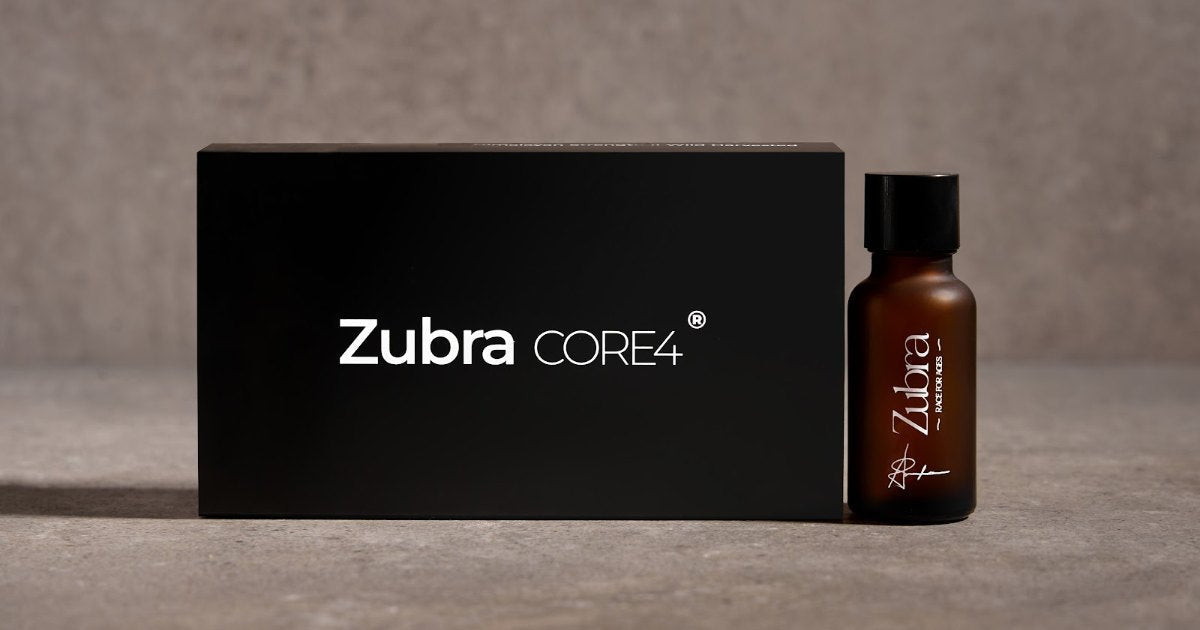
ZubraCore4 is a honey-based food blend for men 21+. It brings together 12 natural ingredients, including honey, hazelnut and pumpkin seeds from the list above, alongside maca root and ginseng. Every ingredient is listed openly on our Our Ingredients page.
It isn't a replacement for good food, sleep or movement, and it isn't a medicine. It's simply one part of a routine built on the habits in this guide. If you'd like to try it, you can choose your pack here.
Frequently asked questions
Which foods give the most stamina?
Foods that combine slow-release carbohydrates with protein, fibre and healthy fats tend to give the steadiest energy. Good examples are oats, whole grains, lentils and dal, eggs, nuts, seeds and bananas. Variety matters more than any single food.
Is honey good for stamina?
Honey is a natural source of carbohydrate, so it can provide quick energy. Because it is a sugar, it works best in small amounts and alongside foods with protein and fibre, such as oats, yoghurt or nuts, rather than on its own.
How can I increase stamina naturally?
Eat regular, balanced meals, sleep 7–9 hours, stay active every day, manage stress and drink enough water. Small, consistent habits make the biggest long-term difference.
How long does it take to build stamina?
It depends on where you are starting from. Many people notice they feel more even within a couple of weeks of eating and sleeping more regularly, while fitness-related stamina builds gradually over weeks and months of consistent activity.
Which nuts are good for energy?
Almonds, hazelnuts, walnuts and cashews, along with seeds such as pumpkin, sunflower and chia, all combine protein, healthy fats and fibre. A small handful is a good portion, as they are energy-dense.
Do energy drinks help stamina?
Energy drinks can give a short lift from caffeine and sugar, but that is often followed by a dip. They don't build stamina. Regular meals, water, sleep and movement are a more reliable way to keep your energy steady.
This article is for general education only and isn't medical advice. If you often feel tired despite good habits, speak with a healthcare professional, as ongoing fatigue can have many causes.
12 natural ingredients
Shop ZubraCore4
Ready to start your race?
Plain box, no labels, and a 21-day money-back guarantee on unopened bottles.
This article is for general education only and isn't medical advice. ZubraCore4 is a honey-based food blend, not a medicine, and is not intended to diagnose, treat, cure or prevent any disease. If you have a medical condition or take medication, speak with a healthcare professional before use.